
Smart Selection Tips for Your Medical Alert Bracelet
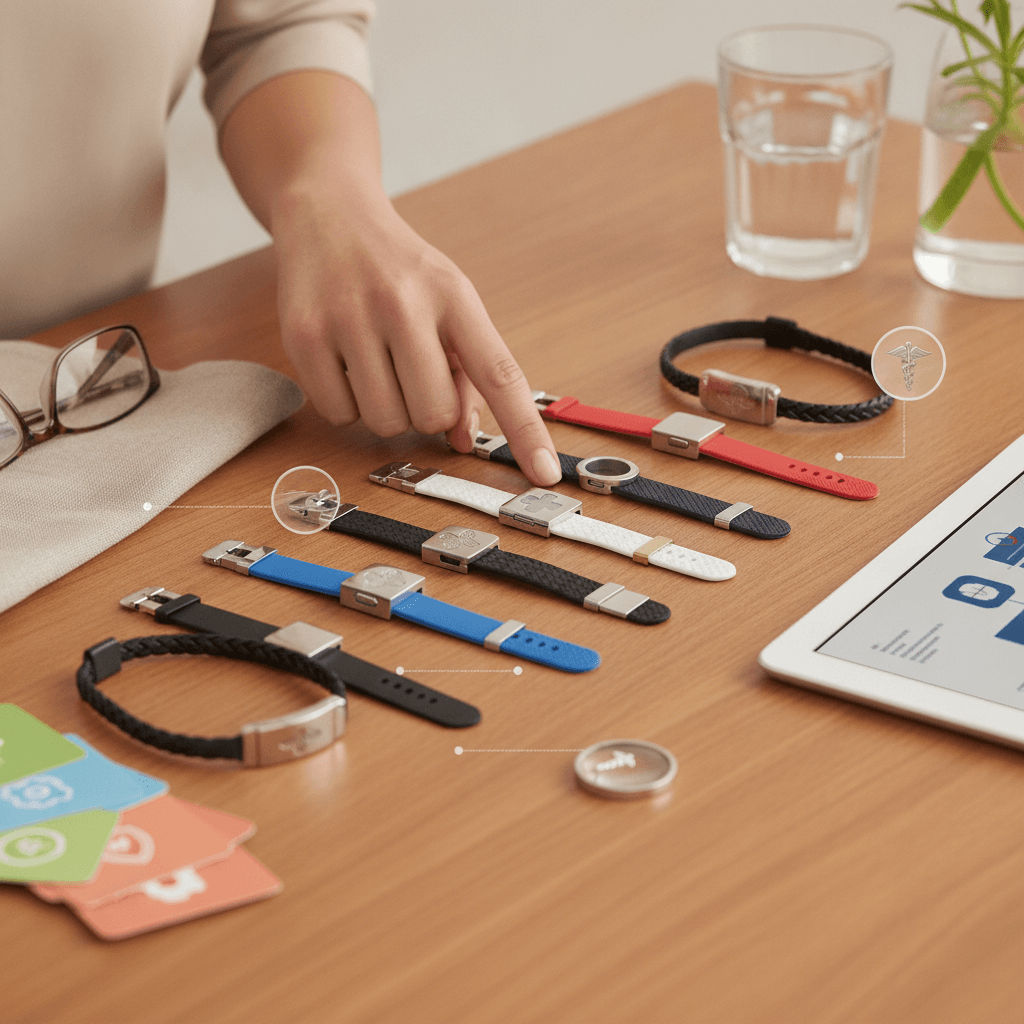
Choosing a medical alert bracelet is a decision that holds significant weight for personal safety and peace of mind. I often tell people it is more than just a piece of jewelry. It is a vital communication tool during emergencies, speaking for you when you cannot. Finding the right one involves thinking about several important things, from your specific health conditions to your daily activities.
I have learned that selecting a medical alert bracelet requires careful consideration to ensure it meets individual needs effectively. It is about balancing functionality with comfort and clear communication. A well-chosen bracelet can make all the difference in a critical moment, providing essential information to first responders quickly.
This guide offers smart selection tips for your medical alert bracelet. I want to help you make an informed decision that truly enhances your safety. We will look at what makes a medical alert bracelet effective and how to pick one that fits your life.
Identify Your Core Medical Information Needs
The first and most important step in selecting a medical alert bracelet is clearly understanding what medical information needs to be visible. I always advise people to list all their significant health conditions, allergies, and current medications. This ensures that first responders have a complete picture of your health status when seconds count. For example, if you have a severe allergy to penicillin, that information must be prominently displayed.
Think about the conditions that might cause you to become unconscious or disoriented. These are the details that absolutely need to be engraved. Common examples include diabetes, epilepsy, heart conditions, or severe allergies. It is not just about having the information there. It is about making it easy to read and understand quickly. I have seen many instances where clear, concise information saved precious time.
Consider any specific instructions for emergency personnel. Perhaps you have an implanted device or a particular treatment protocol. Some bracelets allow for more detailed information to be accessed via a QR code or a membership service, but the most critical facts should always be etched onto the visible part of the bracelet itself. We want to make sure the essential facts are instantly available.
What to Engrave for Immediate Recognition
When thinking about what to engrave, prioritize clarity and brevity. I suggest focusing on the most life-threatening conditions or allergies. Space on a bracelet is limited, so every word must count. For instance, instead of “Insulin-dependent Diabetes Mellitus type 1,” you might engrave “Type 1 Diabetes Insulin Dependant.” This saves space and conveys the critical information effectively.
Include your primary medical condition first. Then list any severe allergies. I also recommend including an emergency contact number. This allows first responders to reach out to a loved one for more context if needed. Always discuss this with your doctor to ensure you are including the most relevant and life-saving information.
Choosing the Right Material and Style for Durability and Comfort
After deciding on the essential medical information, the next step is choosing a bracelet that is comfortable and durable. This is crucial because a medical alert bracelet only works if you wear it consistently. I have seen many people pick a stylish bracelet they like, and because they like it, they wear it all the time. But it also needs to stand up to daily wear.
Materials vary widely. Stainless steel is a popular choice because it is robust, hypoallergenic, and resistant to corrosion. Silicone bracelets offer flexibility and are very comfortable, especially for those with active lifestyles or sensitive skin. Some people prefer sterling silver or gold for a more traditional jewelry look. However, these softer metals might scratch more easily, making the engraving harder to read over time.
The style of the bracelet also plays a role in its effectiveness and how often you wear it. Some prefer a discreet design that blends with other jewelry. Others opt for a more noticeable bracelet with a clear medical symbol. The goal is to find something that you will not want to take off, but that also clearly identifies its purpose to anyone who needs to see it.
Evaluating Design and Readability
When I help people choose, I always emphasize readability. No matter how fancy or simple the bracelet looks, if the engraving is difficult to read, it fails its primary purpose. Make sure the font is clear and large enough. The contrast between the engraving and the background material also matters. Black engraving on a silver or steel background is usually very clear.
Consider the size and weight of the bracelet. A heavy or bulky bracelet might be uncomfortable and lead you to remove it. A bracelet that is too light or flimsy might not be durable enough for long-term use. We want something that feels right on your wrist, so you forget it is even there. This makes sure you are always protected. Remember, an alert bracelet is an everyday essential, not just an accessory.
Exploring Different Types of Medical Alert Devices
Medical alert devices have evolved beyond traditional bracelets. Today, we have many options, each with distinct features that cater to different needs and preferences. I always encourage people to consider all possibilities to find the best fit for their lifestyle and safety requirements. Some devices offer advanced technology for even greater protection.
Classic bracelets remain a popular choice, offering a simple and immediate way to display critical medical information. They are highly visible and do not require batteries or charging. These work well for individuals who need constant, passive identification of their conditions. I trust their reliability because they are straightforward and effective.
Beyond bracelets, there are necklaces, keychains, and even smart devices. Necklaces can be a good alternative if you find wristbands uncomfortable or unsuitable for your work. Keychains are less visible but can still carry vital information. Wearable smart devices, like watches, often combine medical alerts with other features like fall detection and GPS tracking. These can provide a more active form of monitoring and emergency response.
Advanced Features and Connectivity
Some modern medical alert devices offer exciting advanced features. I have seen devices that can detect a fall and automatically alert emergency services or family members. This feature is a game-changer for individuals at high risk of falls, such as older adults or those with certain medical conditions. The peace of mind this offers to both the user and their family is immense.
GPS tracking is another valuable feature in many newer devices. This allows emergency responders to pinpoint your location, even if you are unable to speak or are away from home. Some systems also come with a two-way communication button, allowing you to speak directly with an emergency operator. These services often involve a monthly subscription fee, but many people find the added security well worth the cost. When you explore this topic further, you will see a wide range of choices available to fit various needs.
Considering Activation and Monitoring Services
Many medical alert bracelets and devices come with optional or mandatory monitoring services. I believe understanding these services is just as important as choosing the physical device itself. These services add an extra layer of protection, ensuring someone is always ready to respond if an emergency arises.
A basic bracelet might not require any service, simply displaying your information for passersby or first responders. However, electronic devices often link to a monitoring center. This center typically operates 24/7, with trained professionals ready to assess your situation and dispatch help. I have found these services to be incredibly reassuring for many users and their families.
When you sign up for a monitoring service, you usually provide a detailed medical profile. This profile is kept on file and can be quickly accessed by operators when you trigger an alert. They can then relay this crucial information to paramedics or other emergency personnel. This streamlined communication can significantly improve outcomes in critical situations. We want to make sure all available help is just a button press away.
Subscription Costs and Benefits
Monitoring services almost always come with a subscription fee, usually paid monthly or annually. I recommend carefully reviewing the costs and what each plan includes. Some plans offer basic emergency response, while others include advanced features like daily check-ins, medication reminders, or direct communication with family members. It is essential to compare different providers to find a plan that offers the right balance of features and affordability for your needs.
Ask about contract lengths and cancellation policies. Some companies require long-term commitments, while others offer more flexible month-to-month options. Also, check if the service covers multiple types of emergencies or specific situations, like falls only. Understanding the fine print ensures there are no surprises down the road. This diligence helps you make the smartest choice for your long-term safety and budget.
Involving Your Support System and Healthcare Providers
Making a decision about a medical alert bracelet should not be a solo effort. I strongly recommend involving your family, trusted friends, and especially your healthcare providers in the selection process. Their input can be incredibly valuable, offering perspectives you might overlook and ensuring the chosen device truly meets your medical and personal needs.
Your doctor can offer professional guidance on the most important medical information to engrave on your bracelet. They understand your conditions and medications thoroughly, so they can advise on how to prioritize what is displayed. They can also tell you if certain device types or monitoring services might be particularly beneficial for your specific health profile. I always tell my patients that their doctor is a key resource here.
Family members and close friends can also provide practical insights. They might know your daily routines and potential risks better than anyone. They can help evaluate the comfort of a device, its ease of use, and whether it fits into your lifestyle seamlessly. Their involvement also ensures they are aware of the device and how it works, which is crucial if they need to assist you in an emergency.
Training and Emergency Protocols
Once you choose a medical alert device, it is important to establish clear emergency protocols with your support system. I advise going over how the device works with family members. Show them how to activate it, what to expect from the monitoring service, and where to find any additional medical information if needed. This preparation helps everyone feel more confident and prepared for any situation.
Consider doing a test run with your monitoring service if possible. This lets you and your family understand the response process. It also helps to confirm that the device is working correctly. Discuss with your family who should be contacted in what order during an emergency. Having this plan in place removes guesswork during stressful times. This proactive approach boosts safety and ensures a smooth, quick response.
Cost Considerations and Long-Term Value
When selecting a medical alert bracelet, the cost is definitely a factor for most people. I want everyone to remember that this is an investment in safety and peace of mind, but it also needs to fit your budget. Different options come with varying price tags, so understanding the financial commitment is key.
Basic engraved bracelets are usually a one-time purchase. Their cost depends on the material and engraving complexity. These are often the most affordable option. However, devices with advanced features like fall detection, GPS tracking, or two-way communication typically require both an upfront purchase cost for the device and a recurring monthly subscription fee for the monitoring service. I have seen these fees range quite a bit.
Weigh the cost against the benefits and your specific needs. For individuals with complex medical conditions or a high risk of emergencies, the added security of a monitored device often justifies the expense. For others, a simple engraved bracelet might be sufficient. Consider if your insurance might cover any portion of the costs. Some health insurance plans or Medicare Advantage plans offer benefits for personal emergency response systems, so it is always worth checking.
Maximizing Value and Avoiding Hidden Fees
To maximize value, I always recommend comparing several providers before making a decision. Look at not just the monthly fee, but also any activation fees, equipment costs, or long-term contract requirements. Some companies offer discounts for annual payments, so ask about those options. Make sure you understand exactly what services are included in the price. We do not want any surprises.
Read customer reviews and check the company’s reputation for reliability and customer service. A cheap service that is unreliable offers little actual protection. Investing a bit more in a reputable provider often pays off in better service and faster response times when you need it most. Prioritize consistent support and dependable technology above simply finding the lowest price.
Final Thoughts on Smart Selection Tips for Your Medical Alert Bracelet
Choosing the right medical alert bracelet or device is a personal journey that touches upon your health, comfort, and peace of mind. I hope these smart selection tips for your medical alert bracelet have provided a clear path to making an informed decision. Remember, this tool is your silent advocate, communicating vital information when you cannot speak for yourself. It is an essential safeguard that can literally save your life or prevent a serious complication during an emergency.
From clearly identifying your core medical needs to selecting a durable and comfortable design, every step matters. Exploring advanced device options and understanding monitoring services helps you customize your safety net. Crucially, involving your support system and healthcare providers ensures that your choice is medically sound and well-integrated into your life. The investment in a quality medical alert system is an investment in your well-being and independence. Do not rush this decision, but approach it thoughtfully, knowing that a well-chosen device offers immense security. Take action today to review your options and enhance your personal safety because being prepared is always the best approach.


